Indonesia Is Home to 13 Seahorse Species — and They're Under Threat
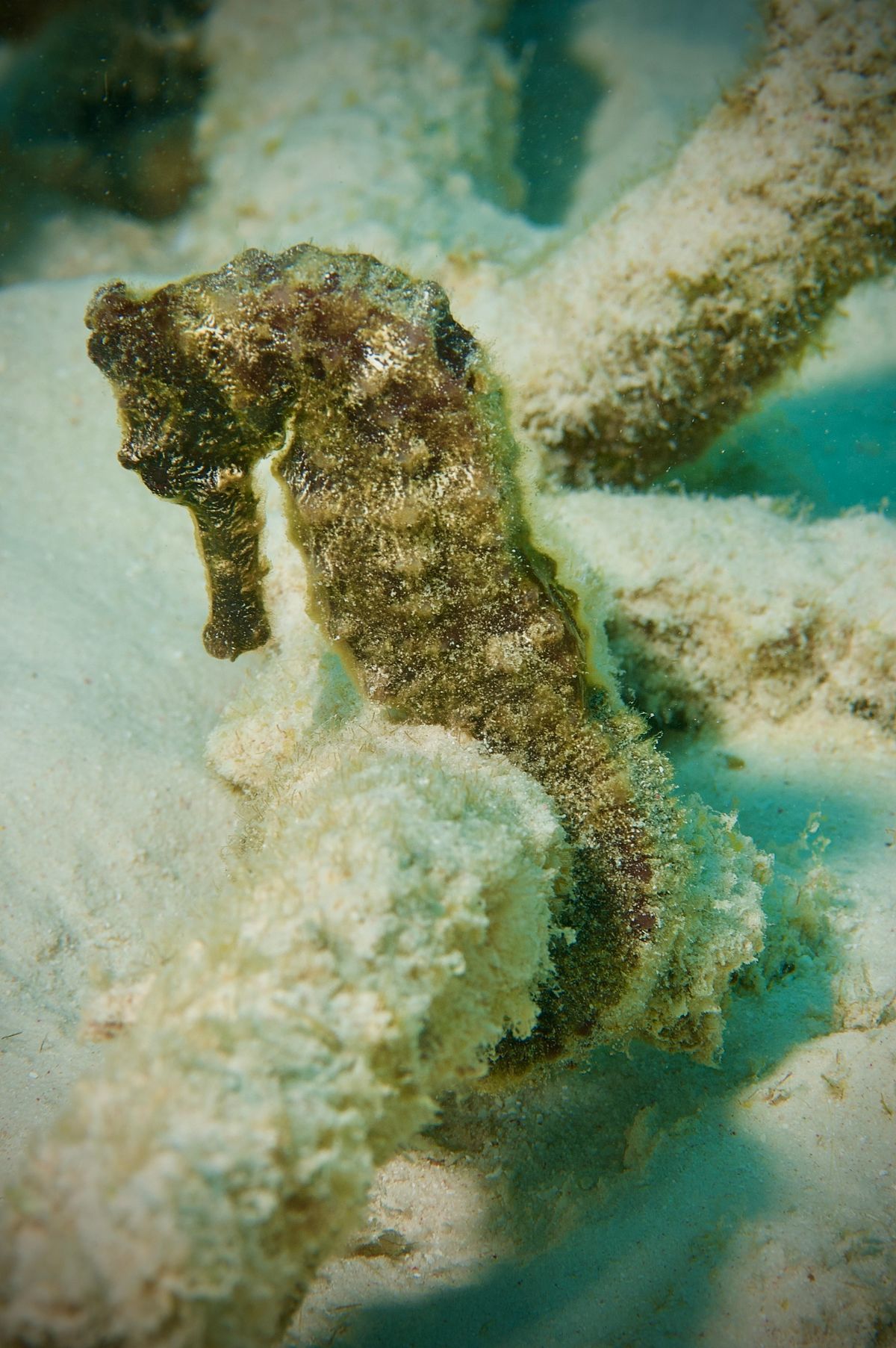
Seahorses are among the most unique marine creatures, with 13 species found across Indonesian waters.
BRIN researcher Masayu Rahmia Anwar Putri reveals that Indonesia's waters host 13 seahorse species, but many face critical threats from unregulated trade, habitat destruction, and lack of reporting.
Indonesia's waters are home to an incredible diversity of marine life — and among the most fascinating residents are seahorses. According to the National Research and Innovation Agency (BRIN), there are currently 13 seahorse species identified across Indonesian waters, and that number could grow as research continues.
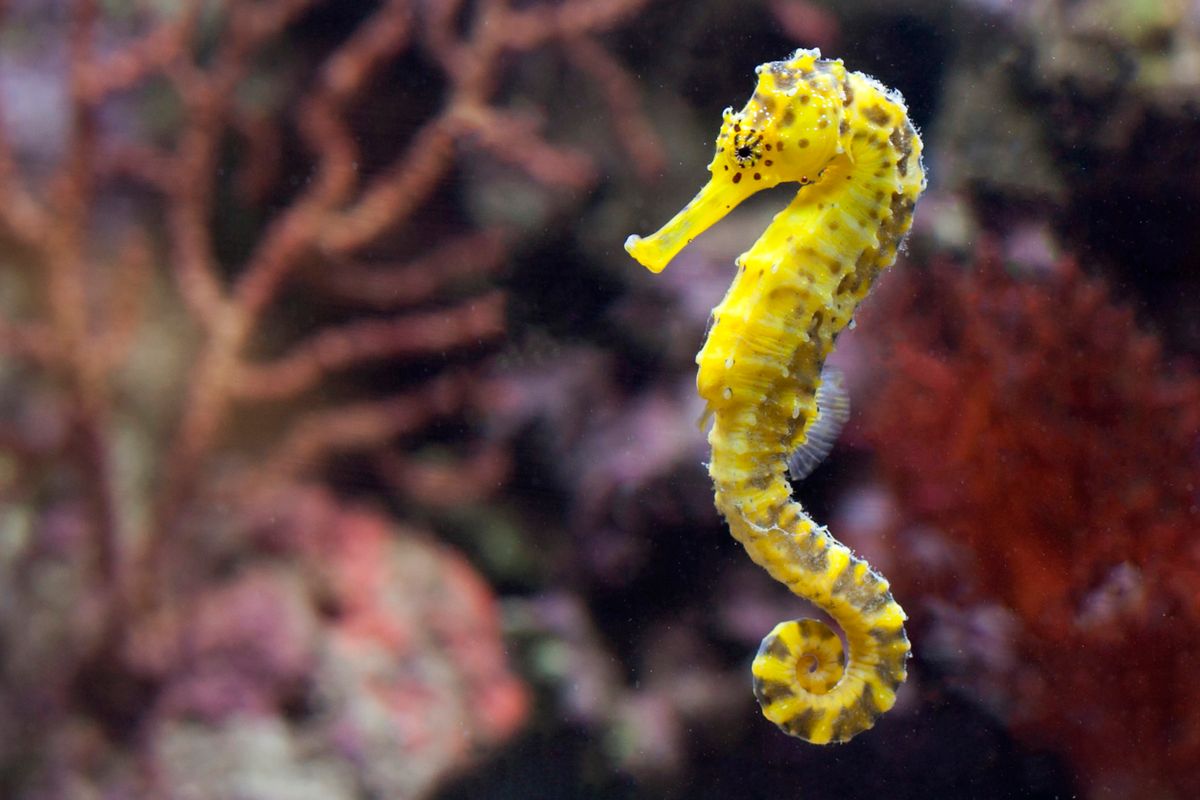
13 Species and Counting
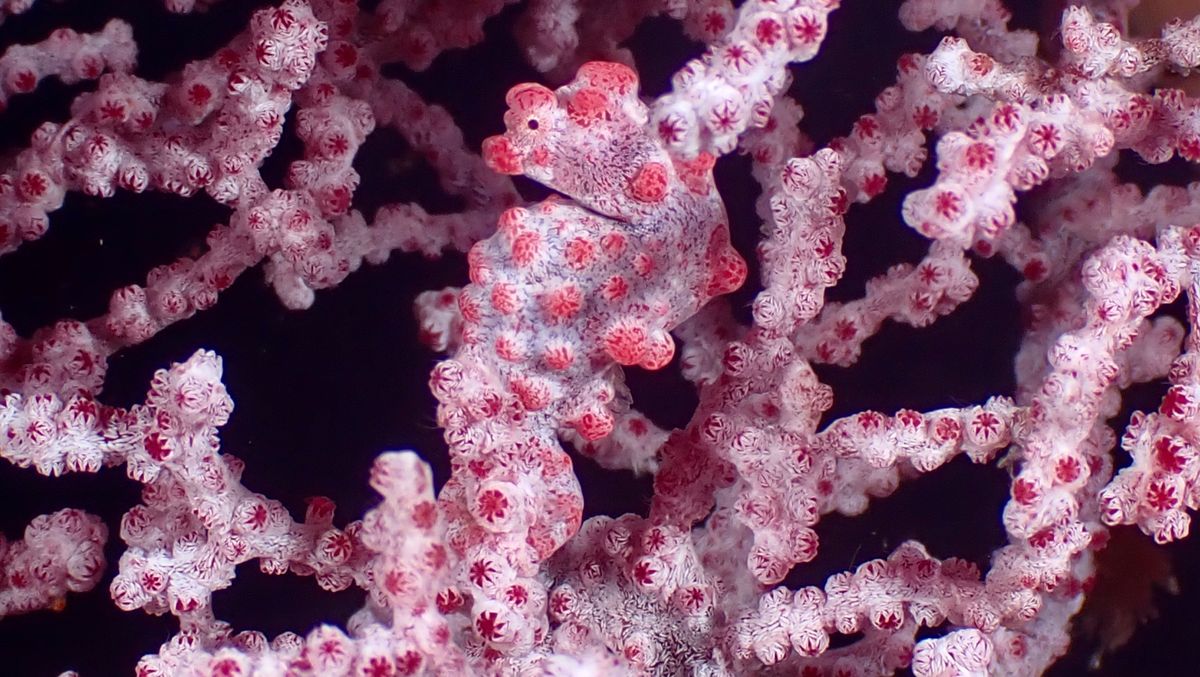
Speaking to the media, Masayu Rahmia Anwar Putri, a young researcher at BRIN's Center for Biota System Research, confirmed that Indonesia hosts 13 identified seahorse species from the genus Hippocampus. These include well-known species like the tiger tail seahorse (H. comes), the spotted seahorse (H. kuda), the thorny seahorse (H. histrix), and several pygmy seahorse species such as Bargibant's pygmy seahorse (H. bargibanti) and Denise's pygmy seahorse (H. denise).
"Di Indonesia ada 13 spesies kuda laut, tapi itu saat ini. Seiring berjalannya waktu bisa terus bertambah."
— Masayu Rahmia Anwar Putri, Peneliti Ahli Muda Pusat Riset Sistem Biota BRIN
"In Indonesia there are 13 seahorse species, but that's for now. Over time the number could continue to increase."
Threatened Status
Despite their rich diversity, many of Indonesia's seahorse species are under serious threat. According to Masayu, several species now fall into threatened categories on the IUCN Red List, ranging from Vulnerable to Endangered and even Critically Endangered.
The primary threats are twofold: unregulated trade and habitat destruction.
Trade and Exploitation
Seahorses have significant economic value. Dried seahorses sell for between Rp 1–8 million per kilogram, with a single kilogram containing hundreds to thousands of individuals depending on species size. They are used extensively in traditional medicine and as souvenirs, driving continuous exploitation.
The international trade in seahorses is regulated under CITES Appendix II, which requires Non-Detriment Findings (NDF) documents to ensure exports don't threaten wild populations. However, a major challenge is the lack of reporting.
"Kalau pemanfaatan dan perdagangan tidak dilaporkan, kita tidak mengetahui kondisi populasi sebenarnya."
— Masayu Rahmia Anwar Putri
"If utilization and trade are not reported, we cannot know the real population condition."
Without accurate data, it becomes nearly impossible to establish science-based management policies or conservation strategies.
Habitat Destruction
Seahorses are poor swimmers. They rely on their prehensile tails to anchor themselves to seagrass meadows, macroalgae, and coral reefs. When these coastal habitats are damaged or destroyed, seahorses have nowhere to go.
"Kuda laut biasa mengaitkan ekornya pada lamun, alga, atau terumbu karang. Ketika habitatnya terganggu, mereka akan kesulitan bertahan hidup."
— Masayu Rahmia Anwar Putri
"Seahorses usually attach their tails to seagrass, algae, or coral reefs. When their habitat is disturbed, they struggle to survive."
Unique Biology: Male Pregnancy
One of the most remarkable things about seahorses is their reproductive biology. Unlike almost any other animal, it is the male that carries and gives birth to the young. The female deposits her eggs into a specialized brood pouch on the male's body, where the embryos develop for 1–2 months. Inside the pouch, the male provides oxygen and regulates salinity levels until the tiny seahorses are ready to be born.
This unique reproductive strategy makes seahorses particularly vulnerable to population decline — if too many adults are removed from an area, reproduction slows dramatically.
Conservation Efforts
BRIN is working closely with the Ministry of Marine Affairs and Fisheries (KKP) on several initiatives:
- Setting sustainable harvest quotas for trade, research, and aquaculture broodstock
- Developing translocation and restocking guidelines
- Supporting a National Action Plan for sustainable seahorse management
- Research into seahorse aquaculture to reduce pressure on wild populations
- Requiring Non-Detriment Findings (NDF) documentation for all international trade
However, the key to success lies with coastal communities.
"Kalau masyarakat pesisir tidak mau berkontribusi, kita tidak bisa mendapatkan data yang sebenarnya."
— Masayu Rahmia Anwar Putri
"If coastal communities are not willing to contribute, we cannot get the real data."
Community involvement in reporting catches and protecting coastal habitats is essential for accurate population monitoring and effective conservation.
"Bayangkan kalau satu kampung mengambil kuda laut semua, kita tidak akan menemukannya lagi di daerah tersebut."
— Masayu Rahmia Anwar Putri
"Imagine if an entire village takes all the seahorses — we won't find them again in that area."
A Broader Warning
The decline of seahorse populations is not just about one group of animals. As Decky Indrawan Junaedi, Head of BRIN's Center for Biota System Research, noted, the loss of seahorses is a sign of coastal environmental degradation that can ultimately affect fish stocks and the sustainability of local fisheries.
Protecting seahorses means protecting the seagrass beds, coral reefs, and coastal ecosystems that countless marine species — and coastal communities — depend on.

Where to Spot Seahorses in Indonesia
For divers hoping to see these incredible creatures in the wild, here are some of the best locations:
- Lembeh Strait, North Sulawesi — The "critter diving capital" is famous for pygmy seahorses including H. denise, H. bargibanti, and H. pontohi.
- Bunaken Marine Park, North Sulawesi — Excellent for both pygmy seahorses and larger species on the spectacular wall dives.
- Raja Ampat, West Papua — Crystal-clear waters with incredible biodiversity, including multiple seahorse species.
- Komodo National Park — Seahorses can be found among the vibrant coral reefs between the currents.
- Tulamben, Bali — The USAT Liberty wreck and surrounding reefs host several species.
Respect them, protect them, and enjoy the privilege of diving alongside them.
Written by GeckoDive Team
The official GeckoDive team sharing diving knowledge, gear reviews, and destination guides.